Genesis St Ledger
0 Course Enrolled • 0 Course CompletedBiography
How is my EV battery affected by severe weather?
The impact and scale, however, differ significantly. Losing 10% of a car's initial 300 miles per charge still leaves you with 270 miles, which is more than enough for the great majority of everyday driving requirements. Additionally, automakers have put in place advanced battery management systems that balance charging rates, actively monitor cell health, source and avoid situations that might hasten wear. An average electric vehicle degrades at a rate of only one to two percent annually.
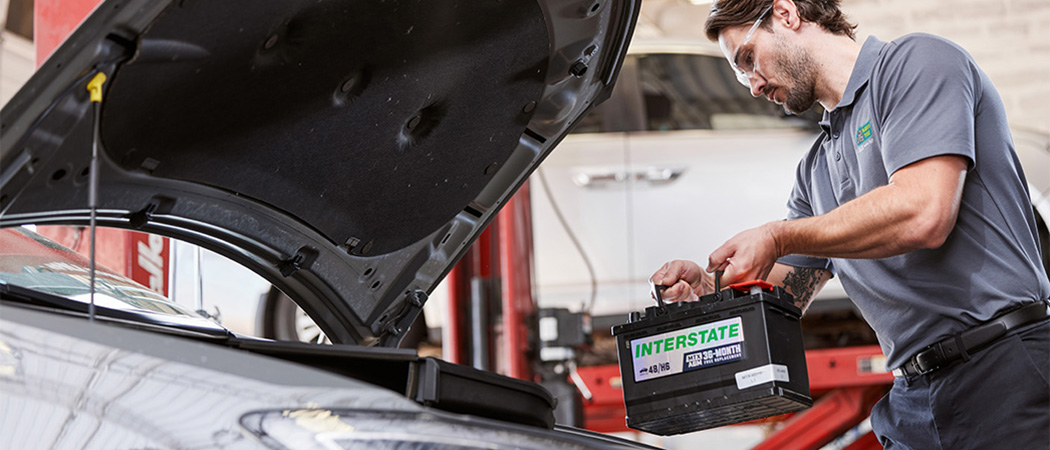 It is useful to realize that, similar to the battery in your smartphone, some capacity loss over time is perfectly normal. This implies that your car may still have 8090% of its initial range even after ten years of daily driving. Nickel-metal hydride and nickel-cadmium batteries are two types of non-rechargeable EV batteries. Are there non-rechargeable EV batteries? They have half the environmental impact of conventional vehicles.
Lead-acid, nickel-zinc, lithium-ion, nickel-hydrogen, sodium-sulfur, and vanadium-redox flow are just a few of the numerous varieties of rechargeable batteries. On the other hand, non-rechargeable batteries can power an internal combustion engine car's electrical system without the need for charging. Several automakers, including Toyota and GM, use this technology. You can use a wall socket or a special charging station to accomplish this at home.
The majority of EVs are built with rechargeable nickel-metal hydride or nickel-cadmium batteries, which can be charged up to 1,000 times before they run out of power. Yes, and in fact most electric vehicles are made using rechargeable nickel-metal hydride or nickel-cadmium batteries which charge up to 1,000 times before they are no longer useful. Since lithium prices have decreased by about 50% over the last five years, EVs will become more affordable and simpler to maintain.
Second, you can take the battery apart and recycle the parts. But what should we do with outdated EV batteries? It's crucial to remember that batteries only need to be replaced after at least four years of use because they lose about 20% of their capacity annually. If you drive a hybrid or electric vehicle, reusing the battery is a smart choice. The main issue with EVs is their range. There are two primary methods for recycling EV batteries.
You can consult your mechanic if you're unsure which option is best for you. How can electric car batteries be recycled? The battery can first be reused. You must locate a company that disassembles batteries and recycles their parts. EV batteries appear to have a very bright future.